


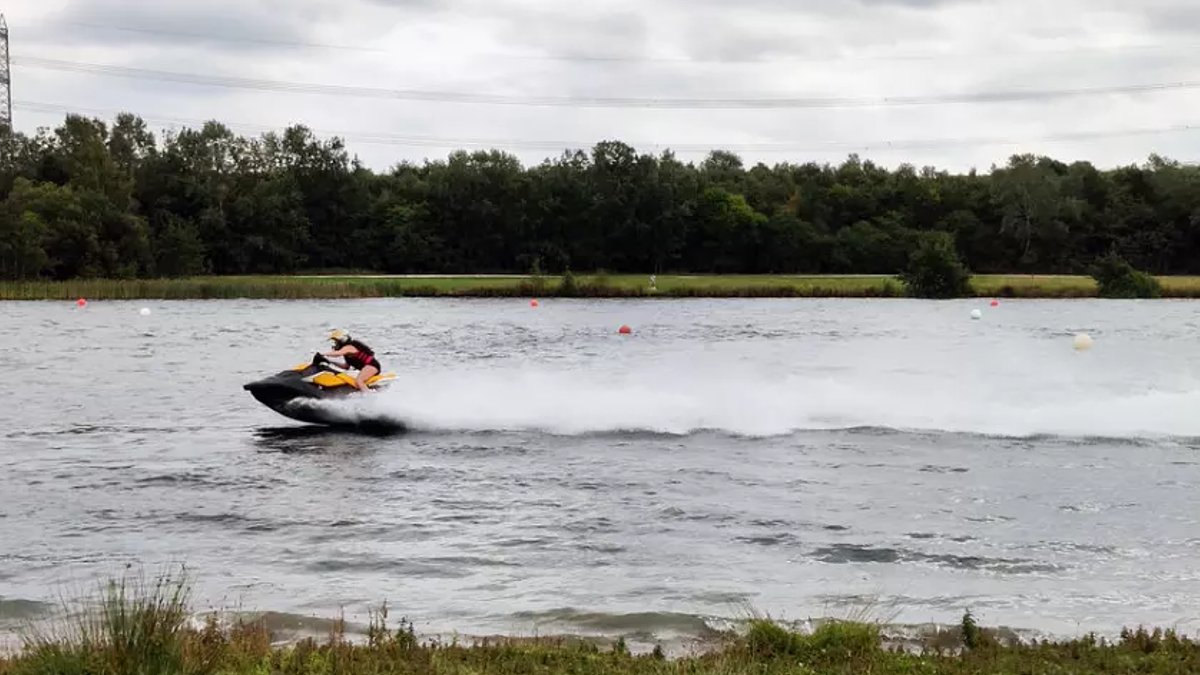
Shooting water sports photography offers a chance to capture high-energy action against a backdrop of sea or reservoir, but the technical demands can be steep. The speed of the subjects combined with challenging lighting conditions often leaves beginners struggling to keep up, yet a few strategic adjustments to gear and technique can significantly improve the final result. The goal is to balance freezing the motion of windsurfers or skiers with maintaining enough context to understand the scale of the event.
Gearing up for the elements
Weather and water conditions dictate the equipment setup more than any other factor. If staying dry on the shore is preferred, a long telephoto lens is essential to bridge the distance between the photographer and the action. A monopod or tripod helps steady the heavy lens, though it can sometimes hinder the fluid motion required for panning shots. For those willing to get wet, a wetsuit allows closer access to the water, where a fisheye lens can capture dramatic angles and a 100mm focal length offers a safer working distance for newcomers.
Related: How to Prepare for Your Wedding Photos: Tips from Professional Photographers
Protecting the gear is just as important as capturing the image. A waterproof camera or housing is mandatory if the equipment isn’t weather-sealed. It is standard practice to test the housing without the camera inside and then place the device in shallow water before heading out to deeper levels. When changing lenses on the beach, avoid doing so directly on the sand to prevent grains of grit from entering the body. Even with a waterproof bag, a cover helps stop spray from windsurfers and boats from damaging less water-resistant accessories.
Mastering the shutter and focus
Freezing the movement of a rider requires specific settings. A shutter speed of 1/100 of a second or faster is generally necessary to capture the sharp details of a fast-moving subject. Continuous shooting mode increases the statistical likelihood of landing the perfect frame. Continuous auto-focus tracking is effective, but photographers should focus on a single individual rather than switching attention between people. Leaving room in the frame for the subject to ride into prevents a tight crop that cuts off their trajectory.
For a different artistic effect, slowing the shutter speed down to about half a second while panning at the same speed as the rider can create a motion blur in the background. This technique, sometimes paired with a flash to freeze the subject, enhances the perception of speed. It is also essential to fill the frame with the subject unless there is a massive wave or specific detail to include. A tiny figure lost in a vast body of water rarely conveys the excitement of the sport.
Related: How to Develop a Plan That Works: Mastering Content Marketing Strategies
Lighting presents another challenge, particularly on sunny days where bright skies and reflections can confuse the camera’s metering system. This often leads to underexposed images. Checking the histogram and using highlight clipping features helps prevent the loss of detail in bright areas. Exposure compensation set to a negative value can balance the exposure correctly. Even in poor light, focusing on the spray and the scale of the waves can yield compelling results, provided the camera settings are adjusted to handle the contrast.
Those without the specialized gear can still find success onshore. Capturing the human element of the sport—people entering the water, preparing their boards, or struggling into wetsuits—provides a narrative that complements the action shots. This approach removes the need for telephoto lenses or waterproof housings while still delivering engaging imagery. The key is to find a composition that tells a story, whether the subject is a rider carving a wave or an athlete preparing for their run.

